CYGNI
Equipment
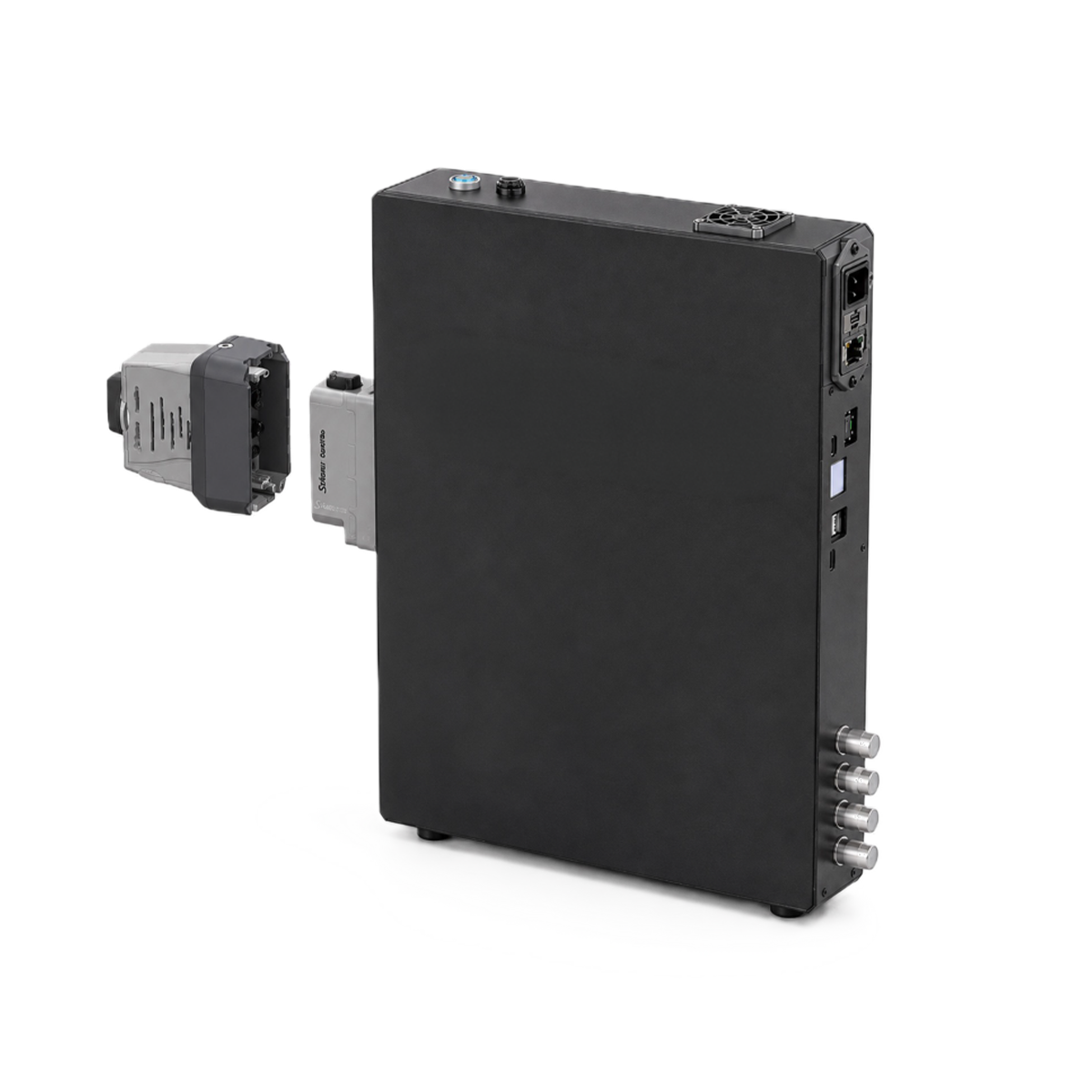
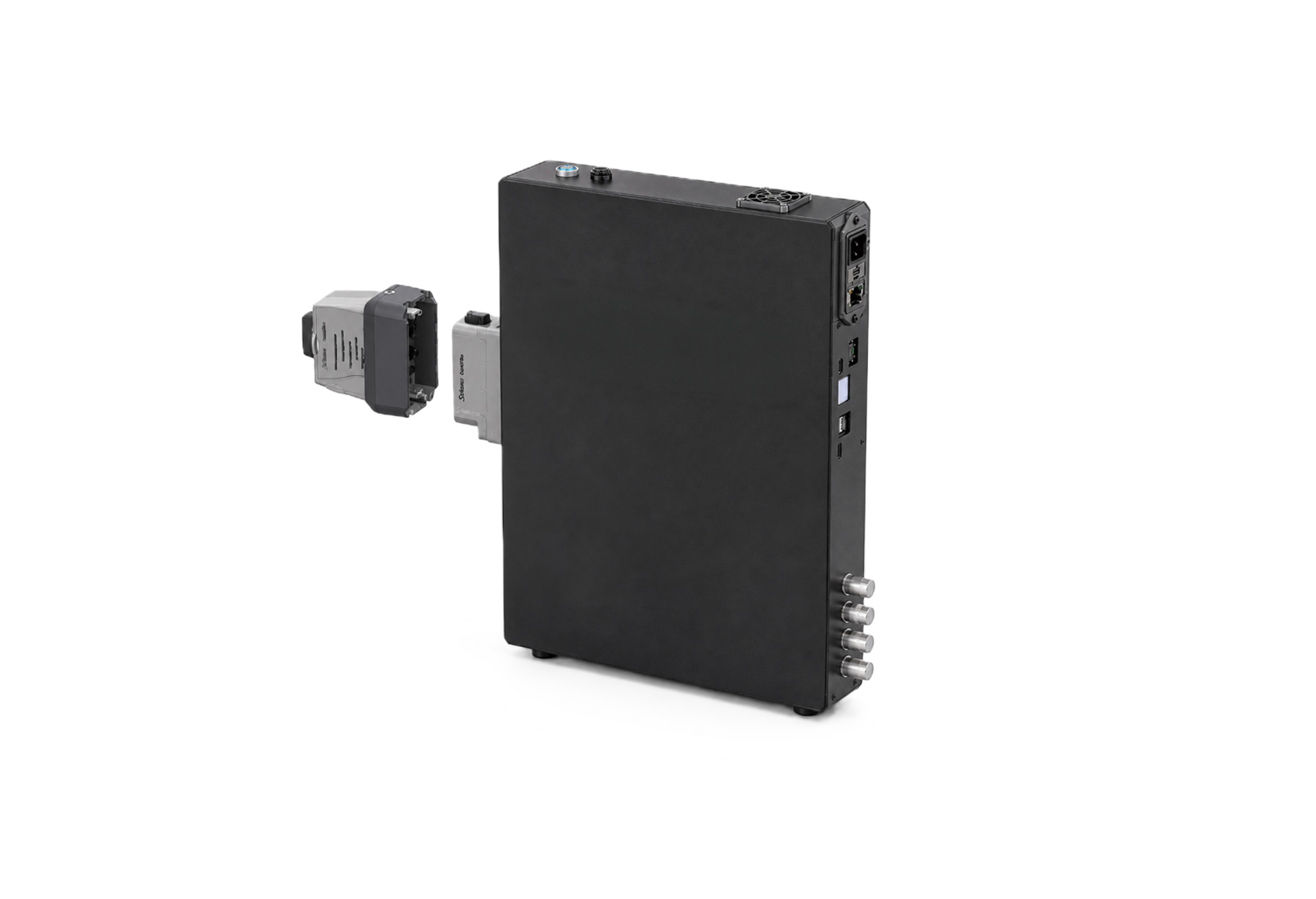
Cosmic’s Cygni measures the full set of small-signal parasitics of a power semiconductor – Ciss, Coss, Crss, Cgs and gate resistance – from
100kHz to 5MHz with programmable drain bias to 3kV in a single device insertion. It uses the same measurement core as Cosmic’s M2 and VIP
Ultra production platforms, to seamlessly move between characterisation testing and production screening.
Reasons Why

Complete parasitic set

Relevant frequency range

Bias and precision

Production-ready speed

Bench-to-line correlation
Product Presentation
Power-semiconductor datasheets specify a set of small-signal parasitics – input, output and reverse-transfer capacitance, gate-source capacitance, and gate resistance. Verifying them on a general-purpose LCR meter means four-terminal configurations, four re-cablings and four separate fixture corrections, and the results will still not match the production tester used to screen the parts in volume.
Cygni closes that gap. It is a digital auto-balancing bridge requiring only one calibration cycle that measures the whole parasitic set in a single device insertion, from 100kHz to 5MHz, with a programmable drain bias to 3kV to allow capacitance to be characterised over the DUT’s full voltage range. Because the reading is taken at the bridge null, the phase resolution that gate-resistance extraction depends on is physically available – a matter of measurement architecture, yielding more sensitive measurements.
For production installations, measurements run in under 30ms in high-speed mode and the instrument is built for a minimal handler footprint with a height of just 60mm and the option of soft-dock or hard-dock DUT connection.
Control is via Cosmic’s Linux-based System Software which automates the whole production test cell, whether that be wafer sorting, KGD or packaged device testing. For characterisation use, the interface is LXI-compatible LAN with SCPI commands, or through a comprehensive stand-alone embedded web interface that needs no software installed.
CYGNI
built-in self-test
no DUT temperature forcing
Dimensions
Absolute maximum voltage
Misc.
±(1% + 0.05Ω) in high-repeatability mode
4-terminal Kelvin sensing removes the fixture's resistive contribution
Additional instruments
Analog/Power
DC Measure
Read-back accuracy: typ. ±5mV (Gate), typ. ±1% (Drain)
DC Source
Gate: ±30V programmable
Measurements instruments
Scalability
two devices tested sequentially via an internal switch matrix
System
Production test cell: Cosmic HPT Linux system software (version to be confirmed by Cosmic)
CE / UKCA - pending
More info